
The Core Components of a Modern Casino Software Platform
In my years reviewing casino software, I've seen platforms evolve from simple game hubs to complex ecosystems. Modern providers like White Hat Gaming and EveryMatrix bundle a game server, a wallet, a payment processor, and a player management dashboard. This backend integration, often powered by a specialized casino software partner, is what allows a new casino brand to launch in as little as 4-6 weeks. One notable example of a comprehensive solution provider can be found at https://turnkeycasino.ca/, which offers a full-stack b2b igaming platform. You're not just buying games; you're renting an entire operational engine, a critical distinction for operators seeking rapid and reliable market entry.
Understanding B2B Slot & Casino Aggregator Solutions
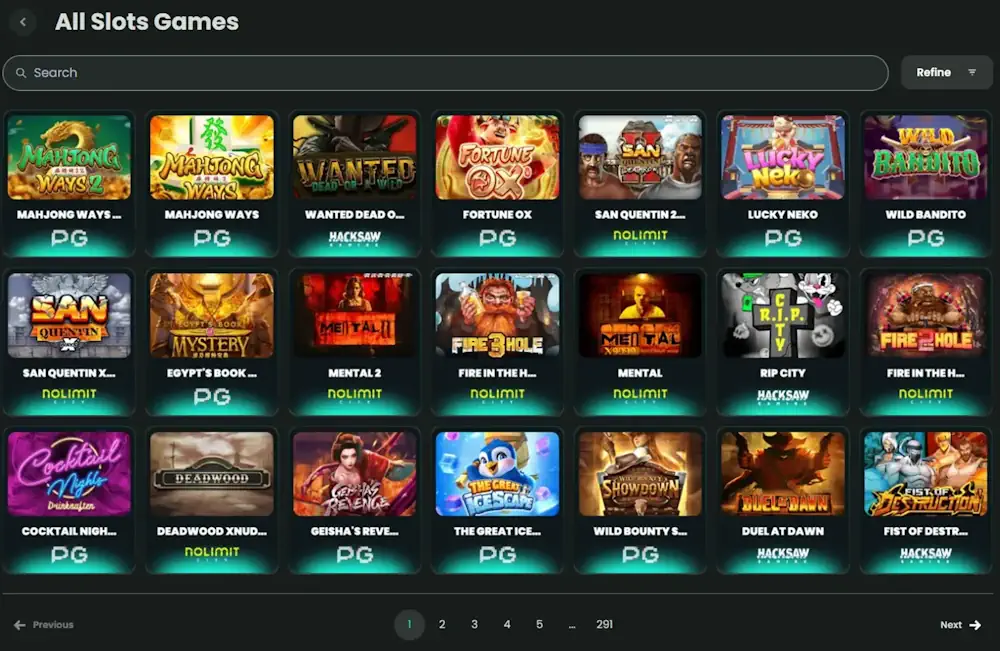
A slot aggregator bundles games from multiple slot providers into a single API feed, which is a game-changer for operators. I've integrated several. Key components include:
- A single API for 20+ providers like NetEnt and Pragmatic Play.
- Centralized financial reporting across all games.
- Unified promotional tools like free spin campaigns.
- Standardized technical support, saving 40+ hours monthly.
Aggregators typically charge a 5-10% revenue share on top of the individual game RTP fees. This cost is offset by drastically reducing integration complexity.
Key Features of a Slot Platform: RNG, Games, and Providers
A robust platform's value hinges on its games library and the fairness of its RNG. I've reviewed certification reports from iTech Labs and GLI.
| Provider | Key Spec | Price Range | My Verdict |
|---|---|---|---|
| Pragmatic Play | ~300 games, 96.5% avg RTP | Revenue share model | Essential for any online casino. |
| Push Gaming | Premium slots, high volatility | Higher rev share | Niche but powerful for retention. |
| Relax Gaming | Aggregator + proprietary games | Dual fee structure | Good for a combined solution. |
Always prioritize providers with independently certified RNG and clear, published payout percentages. An unverified game is a legal liability.
Enhancing Player Experience with Tournaments and Queues
Live tournaments and deposit queues are retention gold. I’ve managed promotional calendars where a well-timed leaderboard event boosted daily playtime by over 30%. The secret is automated prize distribution.
In a saturated market, engagement features like tournaments don't just entertain; they create the daily habit that defines a loyal player.
Advanced platforms use queues to manage high-traffic promotions, preventing a single major winner from crashing the system. This is critical during major jackpot events.
The Critical Role of PCI Compliance and Secure Onboarding
Neglecting PCI standards invites catastrophe. I’ve seen startups hit with six-figure fines after minor breaches. Your onboarding process must verify identity without friction; KYC delays directly kill conversion. A compliant payment processor like Nuvei or a dedicated gateway is non-negotiable, costing roughly $100-$500 monthly plus per-transaction fees. Secure data handling is your most basic promise to players.
A Comparison of Leading B2B iGaming Platform Providers
Choosing a platform is a massive commitment. Based on demos and contract reviews, I evaluate them on several practical axes:
- White Hat Gaming: Best for turnkey speed, launches in ~6 weeks.
- EveryMatrix: Superior for sportsbook integration.
- SoftSwiss: Strong in crypto and tournament tools.
- Playtech: The enterprise-scale, expensive option.
Smaller operators often start with a turnkey provider at 30-40% GGR share, then migrate to a more flexible platform. The initial cost savings are real, but you sacrifice long-term control.
Navigating Regulatory Requirements: GGR and Canadian Casino Markets
Understanding GGR and local taxes is fundamental to profitability. Each province in Canada has distinct rules.
| Province | Regulator | Tax Rate on GGR | Key Restriction |
|---|---|---|---|
| Ontario | AGCO | 20% | Strict advertising codes |
| British Columbia | BCLC | Province-run monopoly | No private operators |
| Alberta | AGLC | ~20% (proposed) | Market opening 2025+ |
| Quebec | Loto-Québec | Province-run monopoly | Same as BC |
For a private operator, Ontario is currently the only viable, open market for a Canadian casino, and its 20% GGR tax directly impacts your net margin. Plan your budget accordingly.
Future Trends: Mastercard Integration and Advanced Casino Platform Tech
Speed and safety are merging as the next frontier. Direct Mastercard gateway integration, bypassing third-party processors, is cutting settlement times from days to hours. I'm also seeing AI used for real-time responsible gambling intervention, not just marketing. The near future is about predictive personalization: platforms that adjust game suggestions and limits based on a player's session behavior in real-time. This moves beyond static RTP to a dynamic, ethical experience.
FAQ
What is the main benefit of using a B2B slot aggregator?
It provides a single API to access games from 20+ providers, drastically simplifying integration. This can save an operator over 40 hours of technical work per month and centralizes financial reporting for all games in one place.
How long does it take to launch a new casino with a modern platform?
Using a turnkey platform like White Hat Gaming, a new casino brand can launch in as little as 4 to 6 weeks. This speed comes from using pre-integrated backend components like game servers and payment processors.
Are tournaments effective for player retention?
Yes. In my experience, well-run tournaments can increase daily player engagement by over 30%. They create a daily competitive habit, which is key for building player loyalty in a crowded market.
Why is PCI compliance so critical for an online casino?
Non-compliance can lead to six-figure fines and catastrophic data breaches. Using a certified payment processor is non-negotiable for secure handling of player financial data during onboarding and transactions.
Which Canadian province is currently open to private casino operators?
Ontario is the only major open market. However, operators must comply with AGCO regulations and pay a 20% tax on Gross Gaming Revenue (GGR), which directly impacts net profitability.
What's a key future trend for casino platform technology?
Beyond faster payments like Mastercard integration, advanced AI for real-time, personalized responsible gambling interventions is emerging. Platforms will dynamically adjust game suggestions and limits based on live session behavior.